Category: Air Conditioning

  • How to Choose the Right Air Conditioning System for Your Las Vegas Home

    How to Choose the Right Air Conditioning System for Your Las Vegas Home

    Living in Las Vegas means embracing the heat, but it doesn’t mean you have to suffer through it inside your home. Choosing the right air conditioning system for your Las Vegas home is crucial for maintaining comfort and energy efficiency. With so many options available, it can be overwhelming to make the right choice. This guide will help you navigate the process, ensuring you pick the perfect AC unit tailored to your needs and the unique climate of Las Vegas.

    Understanding Your Air Conditioning System Needs

    Assessing Your Home’s Cooling Requirements

    Before diving into the various types of air conditioning systems, it’s important to assess your home’s specific cooling requirements. Consider the following factors:

    • Home Size and Layout: Larger homes or those with multiple stories may require a more powerful system or multiple units.
    • Insulation Quality: Well-insulated homes retain cool air more effectively, reducing the load on your AC system.
    • Window and Door Placement: The number and placement of windows and doors can affect how much heat enters your home.
    • Local Climate: Las Vegas has extremely high summer temperatures, making a reliable and efficient cooling system essential.

    Types of Air Conditioning Systems

    There are several types of air conditioning systems to choose from, each with its own advantages and disadvantages. Here are the most common options:

    Central Air Conditioning

    Central air conditioning systems are a popular choice for many Las Vegas homes. They consist of a central unit that cools air and distributes it through a network of ducts.

    • Pros:
      • Efficient cooling for large spaces
      • Consistent temperature control
      • Improved air quality with proper filtration
    • Cons:
      • Higher installation cost
      • Requires ductwork

    Ductless Mini-Split Systems

    Ductless mini-split systems offer a flexible solution, especially for homes without existing ductwork. These systems consist of an outdoor unit and one or more indoor units.

    • Pros:
      • Energy-efficient
      • Flexible installation options
      • Zone cooling capabilities
    • Cons:
      • Higher upfront cost compared to window units
      • Aesthetic impact of indoor units

    Window Air Conditioners

    Window air conditioners are a cost-effective and straightforward solution for cooling individual rooms.

    • Pros:
      • Low initial cost
      • Easy installation
      • Ideal for small spaces or single rooms
    • Cons:
      • Limited cooling capacity
      • Can block windows and affect aesthetics

    Portable Air Conditioners

    Portable air conditioners offer flexibility and ease of use, making them a convenient option for temporary cooling needs.

    • Pros:
      • No permanent installation required
      • Can be moved from room to room
      • Suitable for renters
    • Cons:
      • Less efficient than other types
      • Takes up floor space

    Key Factors to Consider When Choosing an Air Conditioning System

    Energy Efficiency

    Energy efficiency should be a top priority when selecting an air conditioning system. Look for units with high Seasonal Energy Efficiency Ratio (SEER) ratings. Higher SEER ratings indicate better energy efficiency, which can lead to lower utility bills and a reduced environmental impact.

    Cooling Capacity

    Ensure the air conditioning system you choose has the appropriate cooling capacity for your home. Cooling capacity is measured in British Thermal Units (BTUs) per hour. A unit with insufficient BTUs will struggle to cool your home, while one with excessive BTUs will cycle on and off frequently, wasting energy.

    Installation and Maintenance

    Consider the installation and maintenance requirements of different air conditioning systems. Central air systems and ductless mini-splits typically require professional installation, while window and portable units can often be installed by homeowners. Regular maintenance, such as filter cleaning and annual check-ups, is essential for optimal performance and longevity.

    Noise Levels

    Noise levels can vary significantly between different types of air conditioning systems. Central air systems and ductless mini-splits are generally quieter than window or portable units. If noise is a concern, look for units specifically designed for quiet operation.

    Special Considerations for Air Conditioning Systems in Your Las Vegas Homes

    Dealing with Extreme Heat

    Las Vegas summers are notorious for their extreme heat. To ensure your air conditioning system can handle the high temperatures, consider the following tips:

    • Choose a High-Quality Unit: Invest in a reputable brand known for reliability and performance in hot climates.
    • Proper Insulation: Ensure your home is well-insulated to minimize heat gain.
    • Regular Maintenance: Keep your system running efficiently with regular maintenance and prompt repairs.

    Energy Efficiency in the Desert

    Energy efficiency is especially important in Las Vegas, where air conditioning can account for a significant portion of your energy usage. Here are some tips to maximize efficiency:

    • Programmable Thermostats: Use programmable thermostats to adjust the temperature when you’re not home.
    • Ceiling Fans: Use ceiling fans to help distribute cool air more evenly.
    • Shade and Ventilation: Utilize shades, blinds, and ventilation to reduce indoor temperatures naturally.

    Making the Final Decision for the Right Air Conditioning System

    Comparing Costs

    When comparing the costs of different air conditioning systems, consider both the initial purchase price and the long-term operating costs. More efficient systems may have a higher upfront cost but can save you money on energy bills over time.

    Reading Reviews and Seeking Recommendations

    Researching reviews and seeking recommendations from friends, family, or HVAC professionals can provide valuable insights into the performance and reliability of different air conditioning systems. Pay attention to reviews from other Las Vegas residents, as their experiences will be more relevant to your specific climate.

    Consulting with HVAC Professionals

    Consulting with HVAC professionals can help you make an informed decision. They can assess your home’s cooling needs, recommend suitable systems, and provide installation and maintenance services.

    Stay Cool with Expert Air Conditioning Repair Service in Las Vegas

    Choosing the right air conditioning system for your Las Vegas home is a crucial decision that impacts your comfort, energy efficiency, and overall quality of life. By understanding your home’s specific cooling requirements, exploring different types of systems, and considering key factors such as energy efficiency, cooling capacity, and installation, you can make a well-informed choice. With the right air conditioning system, you’ll be able to enjoy a cool, comfortable home even during the hottest Las Vegas summers.

    At Mastermind Heating and Air, we understand the unique challenges of cooling homes in Las Vegas. Our expert team is dedicated to helping you find the perfect air conditioning solution tailored to your needs. Whether you need a new installation, maintenance, or air conditioning repair service, we provide reliable, professional service to ensure your home stays comfortable year-round. Don’t let the desert heat get the best of you.

    Contact Mastermind Heating and Air today for expert advice and top-notch service. We’re here to help you stay cool and comfortable in your Las Vegas home. For all your air conditioning repair service needs in Las Vegas, Nevada, call us now to schedule a consultation or service appointment!

    Mastermind Heating And Air

    5302 Misty Bend Ct, Las Vegas, NV 89148

    (702) 766-8114
  • Best Residential Air Conditioning Brands

    Best Residential Air Conditioning Brands

    Are you looking for the best residential air conditioning brands? Here is everything you need to know.

    Your air conditioner is a vital part of your home’s HVAC system. But a new AC can be a significant investment. If you’re like most homeowners, you probably don’t think about your AC much until it’s time to replace it.

    Of course, you want to select a brand that will hold up in the long run, but how do you know which residential air conditioning brands are the best? There’s a lot to consider, so we’re breaking down the top residential air conditioning brands to help you make the right choice for your home.

    Top Residential AC Brands

    We’re breaking down the pros and cons of the top 4 most popular residential AC brands. Learn which brands have the best prices, quality ratings, life expectancy, and more.

    #1. York

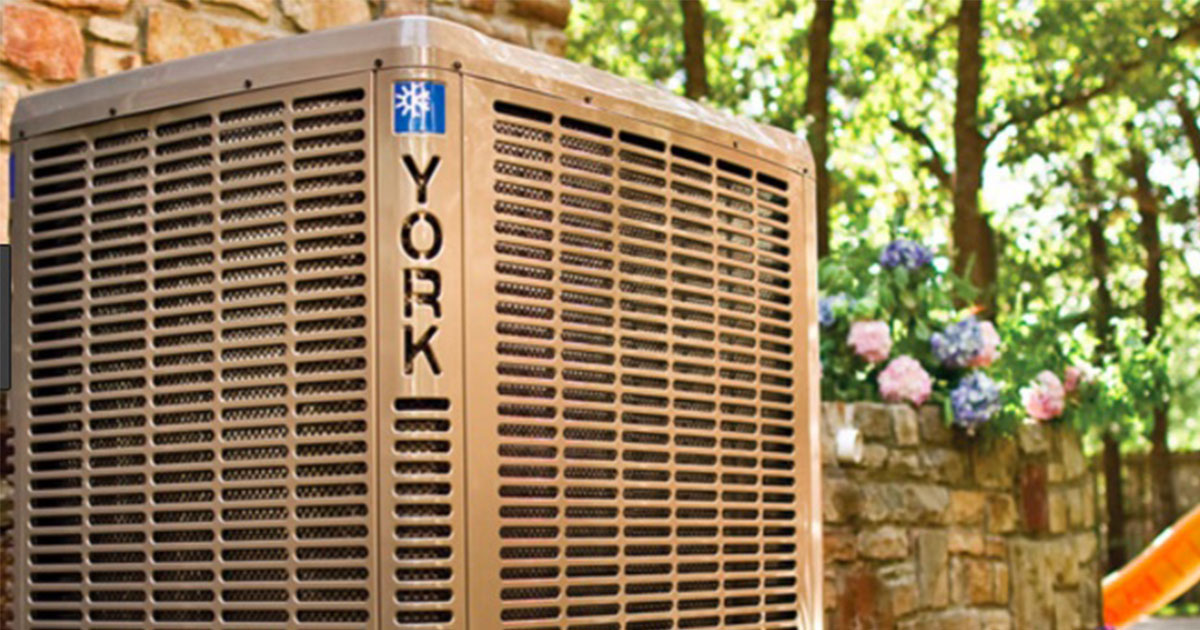
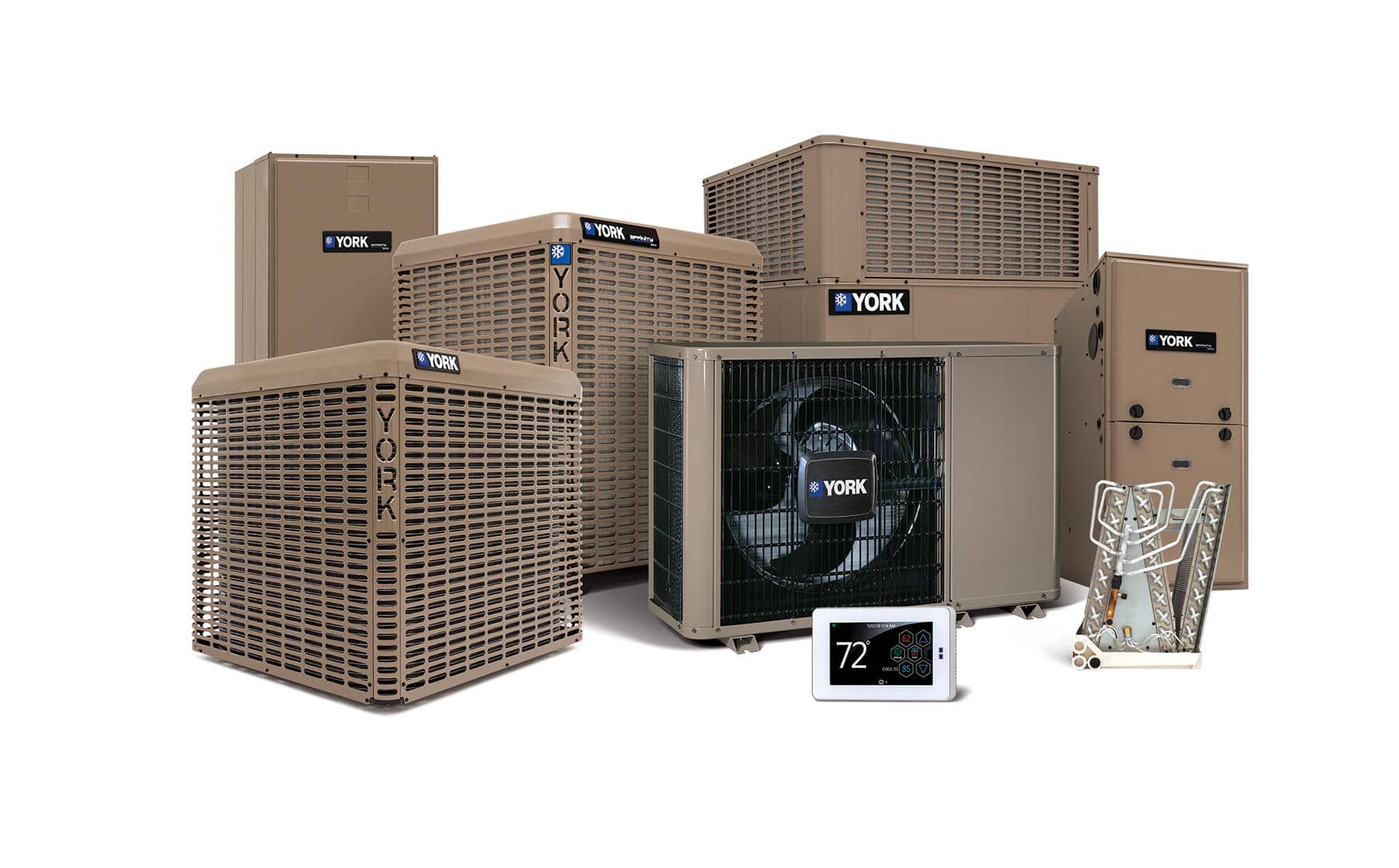
    York HVAC systems are at the top of the list. York is considered one of the best brands, mainly because of their long lifespan and affordable pricing. These products are made to last, and York makes the warranty process simple. Plus, parts are easier to find and inexpensive.

    best residential air conditioning brands

    PROS:

    • Life Expectancy – 18 Years
    • Parts & Labor Warranty – 10 Years
    • Compressor Warranty – 10 years to a lifetime
    • Lower price than competitors

    CONS:

    • Limited installation providers

    Overall Customer Satisfaction – Excellent

    #2. Goodman

    Goodman air conditioners are not quite as revered as York, but they are a good budget-friendly option. The warranty and life expectancy are similar to York. With that being said, the parts are not always as accessible.

    Top Residential AC Brands

    PROS:

    • Life Expectancy – 18 Years
    • Parts & Labor Warranty – 10 Years
    • Compressor Warranty – 10 years
    • Low cost

    CONS:

    • Average to lower quality materials
    • Issues with options and installation

    Overall Customer Satisfaction – Good

    #3. Carrier

    Carrier units are well-known for quality and have a good compressor warranty; however, they’re usually considered one of the most expensive brands. This is because the units themselves are pricey, and they often require a slightly more complex installation process, which could add to your contractor bill.

    PROS:

    • Life Expectancy – 20 Years
    • Parts Warranty – 10 Years
    • Compressor Warranty – 12 Years

    CONS:

    • High initial price
    • Strict warranty requirements

    Overall Customer Satisfaction – Very Good

    #4. Trane

    Trane products are often costlier than other HVAC brands like . Prices can compare to Carrier, and a Trane unit will surely cost you more than a York or Goodman system.

    PROS:

    • ​​Life Expectancy – 20 Years
    • Parts Warranty – 10 Years
    • Compressor Warranty – 12 Years

    CONS:

    • Low BBB rating
    • Higher price than competitors

    Overall Customer Satisfaction – Good

    York AC Units in Las Vegas

    That rounds the list of the best residential air conditioner brands for the coming year. At Mastermind Mechanical, we’re local Las Vegas Heating, Air Conditioning, and Plumbing repair and installation specialists. We proudly carry and install York HVAC systems.

    To learn more about our services, please GET IN TOUCH with one of our team members.

  • Is A Cracked Heat Exchanger Dangerous? Everything You Need To know

    Is A Cracked Heat Exchanger Dangerous? Everything You Need To know

    There are limited reasons why you could be confronted with a cracked heat exchanger because they’re normally exceptionally robust. That being said, lets dive in to learn more about heat exchangers and the effects they might have on our health if they should have a crack.

    Heat exchangers are found in most heating systems in the United States and Las Vegas. But what ever are they? It’s a device found in gas heating systems that facilitates the transfer of heat. When The Gas Burners come on, it heats up the heat exchanger to provide heating for the designated area or room. If the heat exchanger is cracked and you are running your furnace, you can be exposed to the harmful gas called the carbon monoxide. Here are a few reasons that could cause a heat exchanger to crack

    • Overheating – If a heating system experiences insufficient airflow, it’ll most probably encounter overheating. Over time, dust, dirt, and other micro-particles will accumulate in the heat exchanger. Because of this, it’ll become blocked and start restricting the airflow. Air plays a significant role in cooling the temperature of the internal system. As a result of the limited airflow and temperature control, the heat exchanger can crack.
    • Worn control valves – Additionally, the control valves can become worn. When this happens, the pressure becomes too much for the heat exchanger to handle. If this occurs, it’s a high possibility that the heat exchanger can become cracked.
    • Dirty filters – Lastly, dirty filters attached to your system could cause your heat exchanger to crack. Similarly to the above, it dramatically limits airflow which is used to cool the system. Due to this, the heat exchanger can become exceptionally hot and crack.  

    What problems can occur from cracked heat exchangers

    There isn’t an extensive collection of bad heat exchanger effects caused by cracks. However, there’s one significant problem that’s mandatory to become knowledgeable on.

    Heating systems that use heat exchanges use natural gasses, propane, or heating oil. When either of these substances is burned to generate heat, they produce water vapor, soot, carbon dioxide, and most notably, carbon monoxide.

    According to the Centres for Disease Control and Prevention, approximately 430 US citizens die each year from unexpected carbon monoxide (CO) poisoning. Being exposed to either of these for a prolonged time could quickly turn fatal. Therefore, you’ll want to contact a professional about the issue immediately before it becomes life-threatening.  

    Common signs of a cracked heat exchanger

    After reading the above, I’m sure you understand the severe problems that can occur from a cracked heat exchanger. To eliminate this from becoming a present issue, you’ll want to become familiar with the common signs below. Here are some basic ways in which you can identify a cracked heat exchanger:

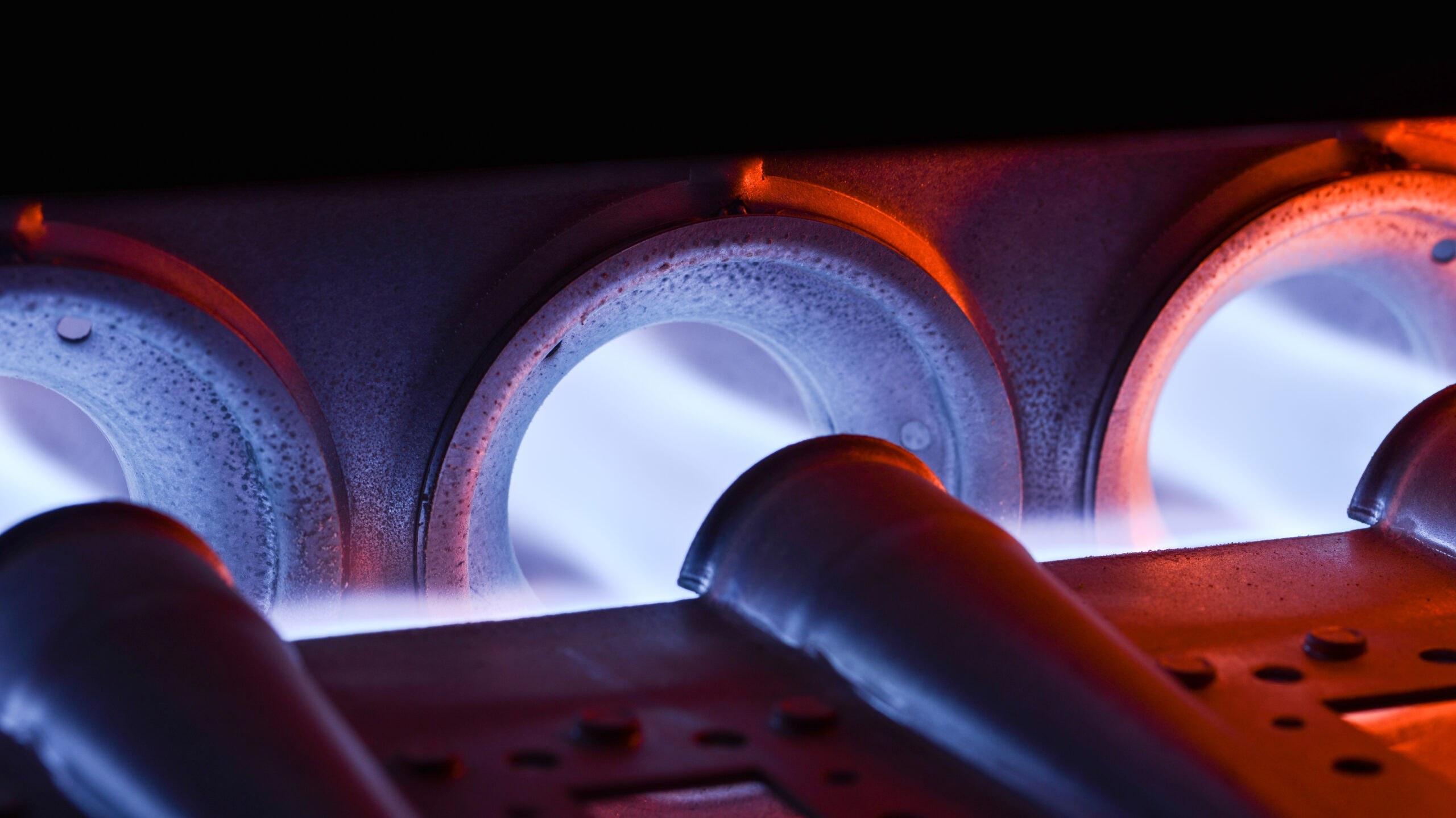
    • Yellowish flame – The flame produced should mostly be blue with a small yellow tip for those with gas furnaces. However, if your heat exchanger is cracked, the flame can turn yellow or be inconsistent.  
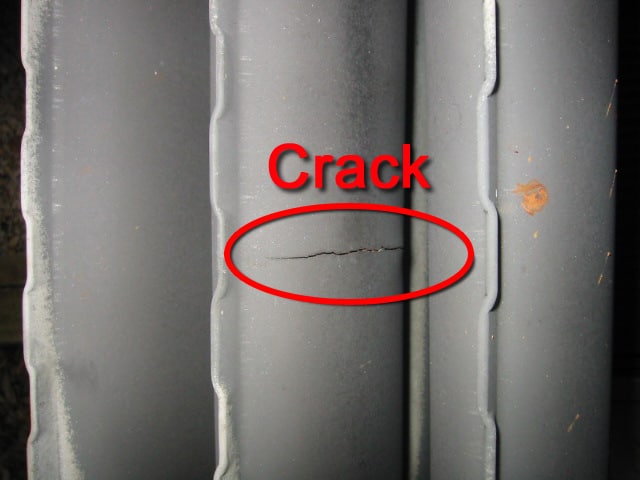
    • Rust and cracks – Alternatively, if you see any signs of rust or cracks externally around the exchanger, it could mean the internal parts might be receiving the same treatment.
    • Unusual odors – The most notable smell you’ll encounter is formaldehyde if the heat exchanger is cracked. If you can smell an unusual odor, the crack could be significant. Therefore, call a technician immediately.
    • Soot – Including the above, you might notice soot being produced by the system. This black smoke is only generated from a unit that isn’t burning fuel cleanly, meaning the burner could be improperly adjusted or the heat exchanger has cracked.

    The above outlines the primary signs that your heat exchanger is cracked. However, if you’re ever unsure, you’ll want to contact a reputable HVAC company to guarantee the safety of yourself and others living on the property.

    cracked heat exchanger

    Think your heat exchanger is cracked?

    Living in Las Vegas and are concerned about your heat exchanger? Then we recommend you contact us. On the other side will be waiting a helpful, professional, and eager Mastermind Mechanical HVAC technician who can provide you accurate knowledge, quoting, and expertise.

    Over the last 15 years, we’ve helped countless clients in Clark County, North Las Vegas, Henderson, and Las Vegas, with many HVAC and plumbing services. Since our establishment, we’ve withheld the utmost efficiency, professionalism, and respect for all clients. This can be showcased in our testimonial section on our website.  

    After reading the above, you should now be aware of the considerable problems you can encounter with a cracked heat exchanger. The problems are enormous, unnoticeable at times, and can become progressively worse if not acted on accordingly.

    Therefore, don’t wait, and ensure your property is safe by contacting us today.

  • Iced Over AC System and What You Can Do

    Iced Over AC System and What You Can Do

    What to do When you have iced over AC System

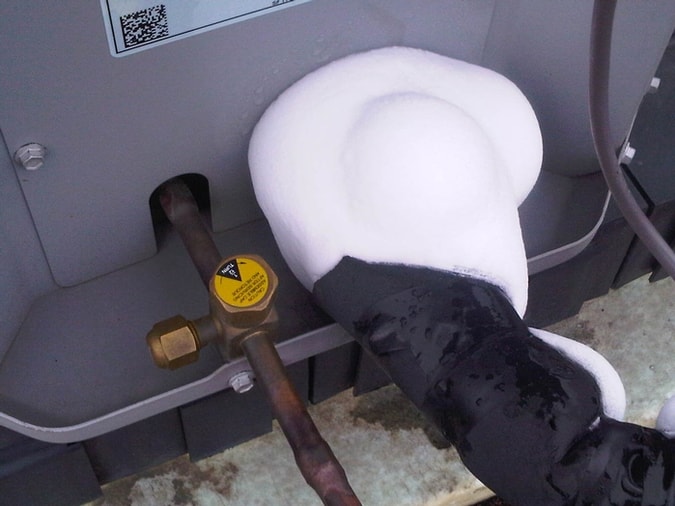
    So, you come home and see your AC Unit is not cooling, and when you go outside you see the unit is iced over. There are many reasons why an AC unit will build up ice and we will talk about and go through them one by one. Before calling an Air conditioning Repair Company follow all these steps and you might fix the problem without spending and money for repairs.

    Iced over Ac system

    Dirty Air Filters

    Dirty Air filters are the number one cause of iced over system. When you see you have an iced over ac system, the first thing you should do is to replace your air filters and de-thaw the ice from the unit by turning the system mode to the off position and turn the fan position to on. This will allow your ac compressor to stop running and your blower motor will run which will help to de-thaw the ice from the system. Check the unit for ice in about 4-6 hours and when you verify all the ice is gone, turn on the system and verify that the unit is blowing air out of the vents. Most of the time this will help the problem and you can enjoy your comfort without calling an air conditioning repair company.

    Dirty Evaporative coil

    Having a Dirty Evaporative coil could cause the same issue and you can have an iced over ac system because of it. Over time your evaporator coil could get clogged due to lack of maintenance. Having dirty coils is the same as having dirty air filters and that is why changing your air filters on regular basis is very important. If your completed step one and you experience the same problem with your unit, this could be an indication of a dirty evaporator coil. We recommend calling a professional HVAC contractor to further diagnose your system.

    Bad Blower Motor

    When a blower motor stop working while your compressor is Running and pumping FREON into your Evaporator coil, this will cause the system to ice over. When the evaporator coil is cold and there is no air going across the coil, eventually it will cause the unit to ice over. When you see on your ac system and have already thawed the unit and have installed new filters, Feel the supply vents to see if you have any air coming out of the vents. When you are trying to see if there is air coming out of the vents, please use a ladder or a step stool to get close to the vent to feel the air as when the air is at worm or at room temperature it almost feels like no air is coming form the vents. If air is present at the supply vent, this means that your blower motor is working properly, however if you do not feel anything coming out of the vent, this could be a blower motor problem. At this point you might consider calling a professional HVAC contractor for proper diagnostics

    Restriction In The FREON Line

    An AC System can also ice over if there is a restriction in the FREON line. Most Restriction occur on the liquid line filter dryers or in the metering device. When this problem occurs, a licensed technician must recover all the FREON and replace the filter dryer, metering device and flush the Freon Lines. If you have a Restriction, you need to call a licensed contractor to get your system repaired. Please note that this repair will be the most expensive fix out of all the other ones.

    Feel free to CONTACT us if you have any question or BOOK A SERVICE CALL NOW

  • 8 Air Conditioning Energy Saving Tips

    8 Air Conditioning Energy Saving Tips

    No matter what kind of air conditioning unit you have, the following 8 Air Conditioning Energy Saving Tips can help lower your energy costs as Las Vegas heats up this Spring and Summer. Some of these air conditioning energy savings tips may seem like common sense. Others may come as a surprise. All 8 energy saving tips will help control expensive energy leaks, create more comfort in your home and extend the life of your air conditioning system.

    Air Conditioning Energy Saving Tip #1 – Only Cool Spaces You’re Using

    Locate air vents and reduce air flow to spaces you do not frequent such as storage rooms, garages and basements. This is common sense, but it takes intentional action. Schedule a day and time when you will evaluate the use of various spaces in your home and reduce air flow to non-living spaces. This will additionally help your air conditioning system more quickly and rapidly cool the spaces you frequent.

    Air Conditioning Energy Saving Tip #2 – Leave Your Thermostat Alone!

    air Conditioning Energy Saving Tips

    This may be counterintuitive. Doesn’t it seem logical that setting the air conditioning higher (warmer) during times you are away (during the day) and setting it cooler when you are at home would save energy? Why run the air conditioning when you’re not home? The science says differently. Every time you reset your thermostat your air conditioner has to work harder to get your living space back to a comfortable temperature. It has not only to cool down the air in your home, but also cool down your walls, furniture, rugs…every object in your home! This requires more energy than leaving your thermostat at a steady temperature. As with a car, the most energy is used during acceleration vs. cruising at a steady speed (thus highway MPG is always better than city driving). In addition, changes in temperature result in condensation of moisture which causes your air conditioning system to work even harder.

    Air Conditioning Energy Saving Tip #3 – Clear Away Objects Blocking Your Air Vents

    If all the cool air your air conditioner is generating pours out of the vent and hits a couch, your couch will absorb a good part of the cool air. In the meantime, your thermostat is registering that the air in your home is warmer and sends a message to your air conditioner to generate more cool air which once again gets absorbed by your couch. Vicious cycle of waste raising your energy bill!

    Air Conditioning Energy Saving Tip #4 – Keep Heat Sources Away from Your Thermostat

    Imagine a lamp, radio or T.V. near your thermostat generating heat and telling your thermostat to send a message to your air conditioner to work harder. It’s measuring the heat pouring off of the T.V. instead of the air temperature of your home and will work until your T.V. reached the temperature you set for your home. Not going to happen. Energy waste!

    Air Conditioning Energy Saving Tip #5 – Set Your Thermostat to a Comfortable Setting, But Not Necessarily an Arctic Setting

    I love cooler temperatures. But were I to set my thermostat to a temperature that feels best, we’d be looking at about 65 degrees or even less. Sacrificing a few degrees during the hottest time of the year can create huge savings, while not greatly sacrificing comfort. A good time-proven principle to have in mind is “moderation”.

    Air Conditioning Energy Saving Tip #6 – Vent Heat Sources Away from Your Home

    Turn on your kitchen exhaust fan while cooking. Don’t let stove and oven heat escape into your home. Periodically check your clothing dryer vent to make sure there is no blockage or disconnected vents. Vents behind your dryer can come loose and you’ll never know because they are hidden. Is the outer vent at the other end of your dryer ducts free of debris and operating properly? Besides trapping heat and sending it into your home making your air conditioner work harder, a lint-blocked dryer vent can be a fire hazard!

    Air Conditioning Energy Saving Tip #7 – Check That the Exhaust from Your Air Condenser Is Sent Away from the Condenser

    This is probably more a job for the professional who installs or maintains your air condenser. If your air condenser is positioned is such a way that the hot air exhaust can be sucked in by the intake of the condenser or a neighboring condenser (in the case two are side by side) your cooling system has to work harder.

    Air Conditioning Energy Saving Tip #8 – Adjust Your Thermostat Before Entertaining Large Groups

    Yes, we said the you should not be tweaking your thermostat settings (above). The reason for this was that you keep your home at an even temperature. However, when you entertain a lot of guests, they can generate considerable heat causing the temperature in your home to fluctuate. Remember, the key is to keep your home at an even temperature.

    Conclusion

    Observing these 8 Air Conditioning Energy Saving Tips can save you a substantial amount in your energy bill:

    1. Only Cool Spaces You’re Using
    2. Leave Your Thermostat Alone!
    3. Clear Away Objects Blocking Your Air Vents
    4. Keep Heat Sources Away from Your Thermostat
    5. Set Your Thermostat to a Comfortable Setting, But Not Necessarily an Arctic Setting
    6. Vent Heat Sources Away from Your Home
    7. Check That the Exhaust from Your Air Condenser Is Sent Away from the Condenser
    8. Adjust Your Thermostat Before Entertaining Large Groups

    In addition, an air conditioning system that doesn’t have to work as hard will last longer, creating even more energy savings!

    for more tips and Advise CONTACT us or BOOK ONLINE !

  • AC Replacement Cost in Las Vegas

    AC Replacement Cost in Las Vegas

    AC Replacement Cost in Las Vegas

    Here’s the nightmare scenario none of us ever want to experience, but somehow, in the deep recesses of our minds we know the day will come: It’s one of those hot 120-degree Las Vegas Summer days. All is well until your home begins to heat up. You check the thermostat settings. They’re set for a comfortable 78-degree temperature. However, the inside temperature has risen to 90 degrees and is climbing! You check your air conditioning unit. There is no activity. You attempt a reset. Still nothing! The inside temperature continues to rise.

    Air Conditioning System Evaluation and Estimate

    ac replacement cost in las vegas

    Now, truly worried and realizing this is a problem you cannot fix yourself; you begin to call around for an air conditioning maintenance professional. Hopefully this didn’t happen on a weekend or holiday. The professional arrives, evaluates the problem and determines your air conditioning system is shot and you need a total replacement. A total air conditioning system replacement can run upwards of $17,000! Most people do not have this in their budget.

    A More Economical Air Conditioning System Replacement Choice

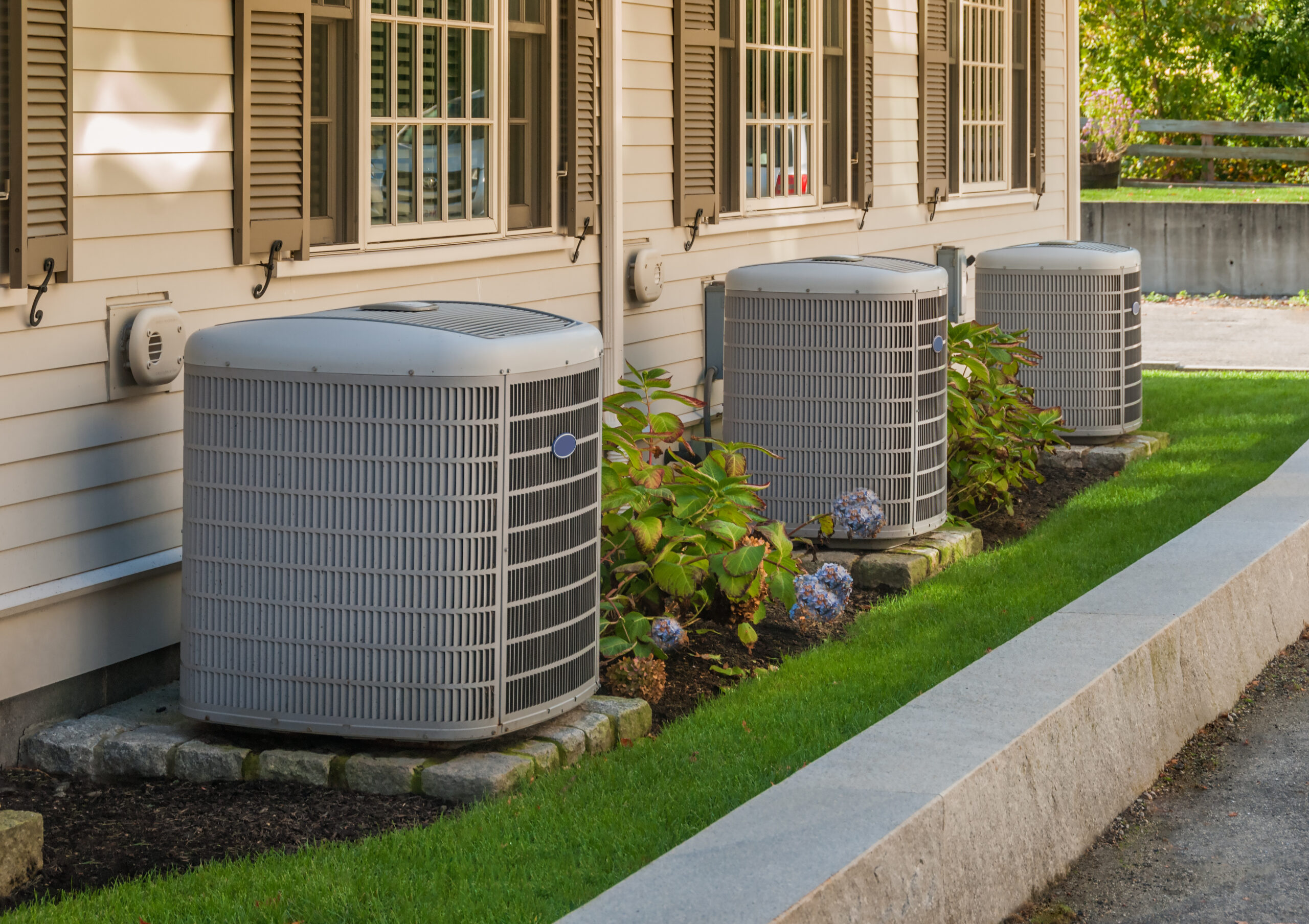
    Fortunately, here is where you have a more economical choice. You may not need a total air conditioning system replacement. In many cases, only one key component of your air conditioning system is shot and needs replacement: Commonly your air condenser. The air condenser is that rectangular unit resting on a block of cement outside of your house, likely in the side yard. Cooling coils are enclosed in a screen, and there’s a fan on top.

    Air Condenser Replacement vs. Air Conditioning System Replacement

    An air condenser replacement is much less expensive than a total air conditioning system replacement. The reason an air condenser replacement often grows to an entire air conditioning system replacement is due to compatibility. Modern air condensers are often incompatible with the other components of an older air conditioning system. Unless you can locate a compatible air condenser unit, you’ll need to replace your entire air conditioning system.

    Guardian “Dry” 14 Seer Air Conditioner R-407C Condenser

    Fortunately, there is a new air condenser model that is designed to be compatible with older air conditioning systems. It’s the Guardian “Dry” 14 Seer Air Conditioner R-407C Condenser. It’s compatibility with older air conditioning systems is a huge cost saving feature. Additional cost-saving features make this air condenser easier and less costly to install including:

    • Quick access to power and control wiring
    • Factory installed filter drier cuts down on time spent brazing and charging the system
    • The more compact size allows the unit to fit into the area your old air condenser was placed, without additional construction
    • The components are designed to resist corrosion and rust, extending the life of the air condenser
    • The coil is protected from damage by stamped steel louvered panels
    • The compressors are protected by a high-pressure relief valve, temperature sensor and high-pressure switch
    • The liquid line filter-drier is factory installed to protect the air compressor from moisture and debris

    Air Conditioning System Compatibility, Less Expensive Installation, Durability

    Some of these features are a bit geeky in detail, but the point is that this new air condenser unit is designed for quick easy installation, designed to last and most importantly, designed to fit the existing components of your older air conditioning system and therefore, may eliminate the huge cost of a total air conditioning system replacement. Replace ONLY your air condenser.

    Mastermind Mechanical, Committed to Being Your Long-Term Professional Service

    At Mastermind Mechanical, we want to help you through an air condenser failure quickly and efficiently at the lowest possible cost. Yes, we would make more by charging for an entire air conditioning system replacement, but we’re looking to be your trusted heating, air conditioning and plumbing professional for the long run. So, we’ll always find the most economical and long-lasting solution to help you through a system failure (water heater, plumbing leak, heating system).

    Schedule Your “Whole House” Air Conditioning, Heating and Plumbing Evaluation

    Preventative maintenance and an evaluation of your current heating, cooling and plumbing could help avoid that unpleasantly surprising hot indoor temperature during one of those 120-degree hot Las Vegas Summer days coming to your neighborhood soon! Discover and correct potential problems before they turn into a system failure. We’ll visit your home and perform a “whole house” evaluation which includes your:

    • Air conditioning system
    • Heating system
    • Ductwork
    • Garbage disposal
    • Water heater
    • Plumbing, pipes

    Don’t be caught by surprise when things break down. Schedule your “whole house” evaluation with Mastermind Mechanical today.

  • When is the Time to Replace HVAC System

    When is the Time to Replace HVAC System

    When Is The Right Time to Replace HVAC System? Furnaces and Air Conditioners are Designed for Comfort, But for How Long?

    Your home furnace and air conditioner are designed to keep you comfortable during the hottest Las Vegas Summer days and the coolest Las Vegas Winter nights. However, for most people their furnace and air conditioner are hidden in a place (garage or attic) “out of sight, out of mind” and therefore easy to forget. We assume they will continue working because they have worked for months or even years without much attention. How can you know when it’s time to replace your home’s furnace or air conditioner?

    1) The Crisis Method of Predicting the Life of Your Furnace or Air Conditioner

    Wait until your furnace or air conditioner breaks down.

    Here’s the scenario you might expect: Your house is suddenly freezing some Winter night or boiling some Summer day.

    DIY Attempts to Fix the Issue

    First, you play around with the thermostat settings. Nothing! Then you locate your furnace or air conditioner. Dig through storage to locate a ladder to get into the crawl space in your closet ceiling. Then clear a space for the ladder. Hopefully you can find a flashlight to light your way once you emerge into your attic. Remember, you’re either boiling hot or so cold you can hardly work your hands. You finally manage to locate the furnace or air conditioner, digging through items stacked up in the way. If you’re lucky, you locate the settings and trip a switch thinking it just needs a restart. Nothing!

    Calling In a Professional for Emergency Service

    Okay, now you know you need to call in a professional. However, it’s likely a Friday evening right before a holiday weekend! Emergency service may not be coming tonight! You make a run to the department store to invest in a space heater or portable air conditioning unit or a huge fan to tide you over until professional service arrives. When the professional does arrive, they may not be able to fix your air conditioner or furnace on the spot but have to order parts. Another few days of waiting in freezing or boiling hot indoor temperatures! In an extreme situation you may even need to move to a motel or a friend or relative’s house for a few days. Imagine what your family members are thinking of you at this moment! So much for the crisis method of how to know when it’s time to replace your home’s furnace or air conditioner.

    2) The Guesswork Method of Predicting When Your Furnace or Air Conditioner’s Life May End:

    Try to Guess the Life of Your Furnace or Air Conditioner

    This is better than the crisis method. You may avert an emergency breakdown of your home’s air conditioner or furnace with the guesswork method. It goes something like this: You reason that most warranties cover 10 years. Why? Because the smart warranty people figure that your air conditioner or furnace will work relatively problem free for about 10 years before things begin to break down.

    Schedule Professional Maintenance Near the End of the 10-Year Warranty Period

    You call a professional in for a thorough maintenance visit between year’s 9 and 10. If you’re lucky your air conditioner or furnace did not break down earlier. The professional performs maintenance that extends the life of your air conditioner or furnace a few more years. In addition, they might be able to predict how many years your air conditioner or furnace have left before they need to be replaced. You beat the odds and avoided an emergency breakdown, perhaps extending the life of your air conditioner or furnace a few years.

    3) The Proactive Method of Knowing When Your Furnace or Air Conditioner Might Break Down

    Schedule regular maintenance.

    You have a professional perform regular maintenance at least annually thereby extending the life of your home’s air conditioner or furnace, potentially up to 10 additional years giving you 20 years in all. At the same time, your professional may be able to more accurately predict within a few months to a year when it’s time to give in and replace your furnace or air conditioner.

    Now Is the Time to Replace Your Old Home Furnace or Air Conditioner

    Replace Hvac system Replace hvac system

    Is your home’s furnace or air conditioner nearing the age of 10? Now is the time to have Mastermind Mechanical do a health check and either give your furnace or air conditioner additional years of life or get you into a brand-new furnace or air conditioner while this limited special is running! Schedule a Maintenance Check

    Take Advantage of the Special and Get into a Brand New Furnace of Air Conditioner!

    Benefits of replacing your home furnace or air conditioner:

    • Peace of mind.
    • Save an emergency call.
    • Save your marriage!
    • Save energy costs with a modern high efficiency home furnace or air conditioner.
    • Save the cost of financing!
  • Evaporator Coil Cleaning

    Evaporator Coil Cleaning

    When to service your air conditioning and evaporator coil cleaning.

    Actually, January and February are excellent months to service your home’s air conditioning system. Here are 5 good reasons:

    1. Hot Temperatures Can Occur as Early as February in Las Vegas: Las Vegans know that even as early as February the outdoor temperatures can begin to rise creating some discomfort in your home, leading you to considering firing up your air conditioning unit. Definitely before the end of March you will have a few days where you feel the need to turn on your air conditioning unit.
    2. Experience the First Hot Day in Comfort: By the time that first hot day arrives, and you turn on your home’s air conditioning unit, you really want it to work! Now, let’s imagine this is the first time you discover something is NOT working. You’re going to have to live with an overly hot, uncomfortable home while you call for service.
    3. Schedule Service BEFORE the High-Demand Season: Note that by March, when you call for air conditioning service, you’re now calling at one of the highest demand times of the year for scheduling professional air conditioning service. Mastermind Mechanical will be there to help you, but had you scheduled the service call in January or February, you’d be enjoying a comfortably cool home already.
    4. You May Avoid an Emergency Service Call: By performing the basic DIY maintenance described in this article and in the companion article, “How to Clean Your Home’s Air Conditioner”, you may be able to prevent the need to call in a professional all together.
    5. You May Proactively Discover an Issue That Can Be Fixed by a Non-Emergency Call: At the least, you may be able to proactively discover an issue that can be professionally fixed before the high-demand air conditioning service season arrives.

    Air Condenser and Air Filter Maintenance

    In our most recent article, we covered how to provide a basic cleaning to the outdoor unit of your home’s air conditioning system. Add to this our article on changing your home’s air filters, a monthly MUST DO throughout the year for both heating and air conditioning optimization.

    Home Air Conditioner Evaporator Maintenance

    In this article, we’re going to give you some quick tips for cleaning and preparing your indoor air conditioning unit ahead of the time Las Vegas outdoor temperatures begin to rise to uncomfortable levels. You can perform these basic DIY maintenance processes at any time of the year, and it’s a good idea to perform them quarterly for continued, uninterrupted air conditioning performance for your home creating greater comfort at a lower energy cost.

    The outdoor part of your home’s air conditioning unit is called the Air Condenser. The indoor part of your home’s air conditioning unit is called the Evaporator. This article covers maintenance of the Evaporator. Once you’ve got the hang of it, this basic Evaporator maintenance can be done in as little as 30 minutes!

    Where is the Home Air Conditioner Evaporator located?

    evaporator coil cleaning

    Unlike the outdoor Air Condenser unit which can be discovered simply by walking around your home, the indoor Evaporator is in an unobvious location like your attic. The access point may be a small square covered opening in the ceiling of a bedroom closet, and if so, you will need a ladder to climb up through the opening to access the Evaporator. Why is the evaporator unit located in such a high place? Basic science: Cool air descends, so you want to generate the cool air in a high location to aid its descent into your home.

    The Need for Proper Lighting

    The first need you will experience is once you’re crawled through the opening into your attic is the need for light! Most attic spaces are equipped with lights, but on the chance that the bulb may be burned out, be sure to have a good flashlight.

    Where to Stand and Where NOT to Stand in the Attic

    Now before you begin to walk around up there in your attic, note that there are places you may step, and places to avoid stepping so that you do not fall through the ceiling and end up in the living room or kitchen! Stand ONLY on firm flooring or beams. Normally, there will be plywood flooring installed around the air conditioning and heating units in your attic. DO NOT tread on areas covered with insulation. They are likely not protected by a firm standing area but rather, have a thin sheet rock base which you would easily fall through!

    Okay, you’re in the attic, with good lighting and standing on a solid foundation.

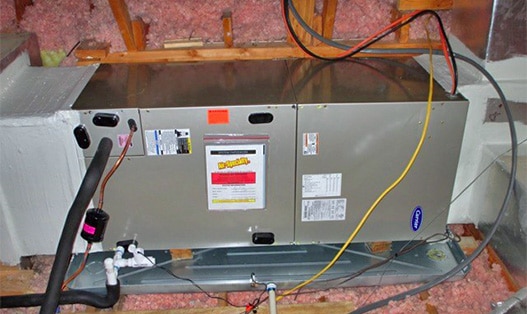
    Where is the evaporator unit and what does it look like?

    You’ll note that there is a blower fan to circulate the air, a series of copper coolant tubes, some duct work for circulation and an evaporator pipe which empties into a drain. Here’s how the system works: The fan pushes warm air over the surface of the coolant tubes where it is cooled. As it is cooled, condensation occurs, which is channeled out through the condensation drain tube. The cooled air then circulates through your home, keeping your home comfortable on hot days. There is also a shut-off switch.

    Turn Off the Power

    Turn off the power to the evaporator unit before performing any maintenance. The best location is your home’s main electrical circuit board. There should be a switch that is clearly labeled.

    Home Air Conditioner Evaporator Unit Parts That You Can Most Easily Service:

    The Drain Tube:

    The condensation drain tube is plastic. Gently pull it off and run a 1:16 bleach/water solution through the tube to clear out any algae growth which if untreated could eventually block the tube causing the condensation water from the evaporator to find another exit, potentially onto that sheet rock ceiling we mentioned above destroying the ceiling of one or more of the rooms of your home. You easily prevent this catastrophe by keeping that condensation tube clean!

    The Drain Port:

    The upper end of the drain tube is connected to the evaporator unit by a drain port. Clean the drain port with a pipe cleaner before reconnecting the drain tube.

    Once you’ve flushed out the condensation tube and cleaned the drain port, replace the condensation tube in the exact position it was originally.

    Note: If the condensation tube or drain port have become too rigid and cannot be removed you may need to replace them. We suggest having a professional perform this. Contact Mastermind Mechanical to perform annual maintenance of your air condenser and evaporator units and replace any parts that need replacing.

    The Blower and Filter:

    Vacuum out the blower and the fins which will likely be inside a metal duct downstream from the blower. Change the filter.

    You’ve Successfully Performed Basic Maintenance on Your Home’s Air Conditioner Evaporator Unit

    Congratulations! You’ve successfully performed basic maintenance of your home’s air conditioning evaporator unit. Along the way, if you encounter any difficulty performing maintenance to any parts, never try to force things to open. When you encounter difficulty, it’s best to contact Mastermind Mechanical for professional servicing. However, you’re likely to be successful and not encounter difficulty with the basic maintenance we’ve described in this article.

    Home Air Conditioner Evaporator Unit Maintenance Frequency

    By performing this basic maintenance 4 times per year: Winter, Spring, Mid-Summer and Fall you may avoid an emergency breakdown on a hot Summer day. In addition, a clean unit operates more efficiently cooling your home and keeping you comfortable at a lower energy cost. BOOK ONLINE NOW

  • Condenser Coil Cleaning

    Condenser Coil Cleaning

    Quick 30-Minute Condenser Coil Cleaning Tutorial 

    This quick 2-part process can save you energy expense and extend the life of your home’s air conditioner. It will only take you about 30 minutes and you don’t need to have any special experience or training. If you can work a screwdriver and a garden hose you’re good to go!

    Locating Your Air Condenser

    We’re going to focus on your home’s air condenser. This is the small unit outside your home, usually in the side yard on a foundation block of cement. It looks like this:

    Condenser Coil Cleaning


    Familiar? Now let’s take a closer look. The part you’re going to clean is the fins. Like the radiator in your car, their important function is to dissipate heat. This is how your air conditioning system cools the air in your home. The air condenser fins are pictured here:


    In order to dissipate heat efficiently, your air condenser fins need to be clean and in good condition. The fins of your air condenser unit accumulate dust and debris during those windy Las Vegas desert days. As the debris build up, your air condenser has to work harder to keep your home cool. You may end up running your air conditioner more often or turning the temperature down further in order to cool your home. This is going to cost you. Your home will actually be hotter in spite of your air conditioner working harder and expending more energy!

    On the other hand, clean the fins of your air condenser unit 2-3 times each year: In the early Spring, mid-Summer and in the Fall to save on energy expense and be more comfortable in your home during our hot Las Vegas Summers.

    Take a close look at the air condenser fins in the picture above. Note the debris accumulated in the fins. This routinely occurs. Also, note that some of the fins are bent and deformed. This also happens over time. We’ll refer back to this picture.

    Here are 8 steps to cleaning your air condenser fins:

    1) Turn off the Power to Your Air Condenser

    The power switch is located on a wall connected to your air condenser. It looks like this:


    You can easily remove the power switch cover and turn it to the off position.

    2) Remove the Top of Your Air Condenser Unit

    The top is a metal grillwork located just above the large air condenser fan. Note there are a number of screws or bolts. A screwdriver will often do the trick. You may need a socket wrench depending on the type of bolt. The top of the air condenser is pictured here:


    You’ll need a screwdriver or socket wrench depending on the type of bolts attaching the top to the base of the air condenser. As you remove the top, watch carefully to ensure you are not disturbing any wires within the unit. You’ll also want to lift the fan so you can get to the air condenser fins below. As you remove the top, remember how everything looked before you touched it. You’ll need to replace it again later.

    Consider all those little bolts. Please have an empty jar or can with you to store the bolts until you replace them later! Seriously…look at the landscaping rocks surrounding the unit. Imagine those tiny bolts falling into the rocks! You’ll never find them again. You’ll end up going to a hardware store to find replacements…searching for the exact same size…it can be a nightmare.

    Once you remove the top, carefully remove all debris from inside the unit. There may well be leaves and twigs and bugs. Lots of stuff collects there over time. Get it all out!

    3) Hose Off the Air Condenser Fins from the Inside Out

    A regular garden hose will do the trick. Use a light spray. Do not use a power washer as this could damage the unit. Carefully hose off every area of the air condenser fins all the way around the air condenser. Be sure to direct the water from inside to outside the unit. Do not spray the outside as this will cause any dust and debris to lodge further into the unit.

    4) Brush the Air Condenser Fins with a Fin Brush

    Pictured here are a fin brush and a fin comb. You can find them at most hardware stores. We easily located the fin brush and comb pictured below on Amazon for under $8 by searching “air condenser comb”. The fin brush is on the left, the comb on the right. Note that there are air cooling fins behind your refrigerator, under the hood of your car and just about anywhere there is an air cooling system. These tools will work on most air cooling fins anywhere.


    The fin brush removes debris from the air condenser fins. It’s a good idea to use the fin brush on all air condenser fins regardless of their age or condition. Carefully brush the outside of the fins all around your air condenser.

    5) Straighten Any Bent Condenser Fins with a Fin Comb

    The fin comb straightens any bent fins and helps provide the separation necessary to let the fins dissipate heat properly. In the case of severely bent or damaged fins, you can gently insert a kitchen knife between the fins to straighten them. Do not insert the knife more than 1/4th inch into the fins, and stay away from the coils in order to avoid damaging, or heaven forbid, puncturing them!

    If you look closely at the air condenser fins in the picture above you can see some bent fins. The air condenser fin comb is designed to gently insert between the fins and straighten them out without damaging them.

    6) Spray the Fins with a Fin and Coil Cleaner

    Here is an example of a fin and coil cleaner we easily found on Amazon. We’re not attempting to sell any particular brand of any of these products and picture them only to help give you an idea what you’re looking for. Feel free to shop around. There are numerous brands available:


    As with the air condenser brush and comb, the coil cleaner is especially designed to clean the fins and coils of any cooling system whether it’s your refrigerator, car or other. It dissolves dirt, dust and debris without damaging the fins. Go nuts and clean them all, making all your cooling systems function more efficiently at a lower cost. For example, when is the last time you pulled your refrigerator away from the wall and looked behind it? Scary!! This is a good example of what collects where ever there are air cooling fins and coils where air is continually passing through along with scads of dust particles and other unmentionable stuff!

    7) Replace the Top of Your Air Condenser Unit

    Be careful to replace the top of your air condenser unit exactly as it was before you removed it. This is the time you especially appreciate having stored all the screws and bolts in a jar at the beginning of this little adventure.

    8) Turn the Power Back On

    Take a moment to congratulate yourself! That wasn’t so hard was it? You just helped your air condenser to run more efficiently saving you money month after month and making your home more comfortable. And if you were extra ambitious, perhaps you did the same for your refrigerator!

    Replace Air Filters

    Another easy task we refer to as low effort, high results is to change your air filters monthly. See this article on our site.


    Additional Care and Maintenance of Your Air Conditioning System

    Your home’s air conditioning system also contains coils that need cleaning and parts that need special lubrication delivered at the exact right spot. And in addition to the air condenser unit outside your home, there is a larger evaporator unit inside your home – likely in the attic – that has parts important to maintain. Some parts need lubrication. Hoses need to be taken apart and cleaned. Parts may wear out over time. Watch for additional blog articles on maintaining these.

    We didn’t want to overwhelm you, so we stuck to the air condenser fins in this article. Cleaning these is the lowest effort task with the highest results. If you keep your air condenser fins clean 2-3 times annually, the other components of your air conditioning system will not have to work as hard and will last longer.

    Have Your Home Air Conditioning and Heating System Professionally Inspected and Tuned-Up Annually

    We suggest you contact us to professionally service your home’s air conditioning system annually. If this is an off season, you’re in luck. That’s the best time to call for maintenance. During high demand seasons, professionals get booked up, parts can be harder to obtain and some may even raise their prices – we don’t. Though, scheduling can be tricky during those high-demand seasons (i.e. the outside temperature is 120 degrees, your poorly maintained air condenser breaks down on…you guessed it…a Friday evening. You spend the weekend trying to find a HVAC maintenance person rather than escaping to cooler climates on a much needed vacation).

    Don’t let yourself get into that bad bad situation. Call us now to schedule your annual HVAC system maintenance. We’ll take care of everything for you…fins and all!

    Annual Air Conditioning System Inspection and Maintenance

    Contact Mastermind Mechanical

    BOOK ONLINE

    Call 702-420-2121

  • Importance of Furnace Maintenance in Las Vegas

    Importance of Furnace Maintenance in Las Vegas

    Furnace Maintenance in Las Vegas

    The importance of furnace maintenance is probably not top of mind in your daily thoughts. In fact, do you even remember what your furnace looks like? It’s hidden away in some closet, attic or your garage. Hopefully there are not items in storage leaning against or on top of your furnace at this moment! Out of sight, out of mind.

    Furnaces are pretty reliable most of the time, so we forget they’re there…until something goes wrong!

    Furnace Maintenance in las Vegas

    What could go wrong with your furnace and what damage, expense or danger could result?

    Much of the damage that could be caused by a malfunctioning furnace will not be discovered immediately. You’ll only discover the damage when it’s time to pay the price. Kind of like having those auto-withdrawal payments from your bank account you no longer need, forgot about and continue to pay monthly, then discover after the accumulative cost is embarrassingly large!

    A poorly maintained furnace is like having a bad hidden monthly auto-withdrawal from your bank account!

    Let’s list some of the hidden monthly expenses you could incur with a poorly maintained furnace.

    Regular Furnace Maintenance Saves Energy Costs EVERY Month

    You furnace can easily rack up 50% of your energy bill. A well-maintained furnace costs about 30% less per month to run. In terms of your total energy bill, that’s an overall 15% savings every single month. If your last energy bill was $200 with a poorly maintained furnace, it could be $170 with a well-maintained furnace, saving you $30 each month X 8 cold season months = $240 per year bad hidden auto-withdrawal from your bank account! If your furnace is poorly maintained, you’re allowing the equivalent of an auto $30 monthly withdrawal from your bank account! But there’s more!

    Regular furnace maintenance can save you costs in terms of increased health care expenses.

    You’re constantly breathing the air circulated through your furnace. Consider the quality of that air. The air exchange in homes is already lower by far than a shopping mall, other public buildings and certainly the great outdoors. We are all learning this with COVID19 warnings about gathering indoors. That’s because indoor air is not the healthiest. Now, compound this poor air exchange with dirty furnace filters. Your furnace filters need to be changed monthly to properly clean air circulated by your furnace. When is the last time you changed your furnace filters? Do you know where they’re located? Now, compound this poor air quality even further.

    Poorly maintained furnaces regularly circulate unhealthy air.

    A dirty furnace stores and regularly blows out its accumulated dust, debris, mold, pollen, bacterial and virus contaminants, circulating them throughout your home and ultimately into your lungs. Ever wonder why when one person in the family comes down with a cold or the flu or something worse, everyone catches it? It’s because many diseases are airborne and circulated by dirty furnaces and furnace filters.

    Unhealthy air can create costly healthcare expenses.

    So, how much did the last health issue you or a family member experienced cost in terms of doctor visits, medication, co-pays, lost time at work? Possibly, a clean, well-maintained furnace might have saved you that money. That’s like another of those hidden, run-away auto-withdrawals from your bank account! And, worst case scenario, leaky gas from a poorly maintained furnace could send odorless carbon monoxide through your home. That’s more than costly. It’s life threatening!

    Regular furnace maintenance can save you costs in by adding years to the life of your furnace.

    A well-maintained furnace can last around 20 years. Take 5 years off of that life-span for a poorly maintained furnace. That’s a loss of 25% of its life. You’re looking at from $1000 – $3000 for a new furnace. Add in installation costs and cost of disposal of your old furnace. We haven’t even added in financing. Let’s very conservatively say $2,000 for a new furnace that if well-maintained will last 20 years. If poorly maintained, you just lost $500 of that $2000 or $20/month bad hidden auto withdrawal from your bank account each month.

    Regular furnace maintenance can save you from a void warranty.

    Most furnaces come with a 10-year warranty. However, poor maintenance can void that warranty. In addition, if a well-maintained furnace lasts 20 years, it may be possible to renew the warranty for the second 10 years potentially saving you a sudden unexpected expense in the event your furnace breaks down in its later life.

    Regular furnace maintenance can save you physical discomfort.

    Are there rooms in your home that never seem to warm up? A back bedroom, your basement, the bathroom furthest away from the furnace? How does that feel? You probably don’t spend time in those rooms. What percentage square feet of your home are you avoiding using due to inadequate heat? Your monthly mortgage bill is a charge for your total home space. Let’s say you’re avoiding a conservative 5% of that space due to heating discomfort. That’s another hidden cost…bad monthly auto withdrawal. Let’s give this $100/month waste expense based on 5% of a $2,000 monthly mortgage.

    Part of regular furnace maintenance is ensuring even distribution of heat throughout your home, allowing you to enjoy the full value of every room!

    Regular furnace maintenance can save you the unexpected expense of a breakdown.

    And, imagine on the coldest day of the Winter having a furnace breakdown…likely in the middle of the night on a weekend. Isn’t that when these types of things seem to happen? You have no regular furnace guy to call so you’re searching companies you’ve never heard of while freezing at 30-degree temperatures. Believe me, you’re unlikely to get the best service price on that emergency call, and an emergency furnace replacement will likely cost you much more than a planned furnace replacement. But there’s more…Your water pipes are also freezing, and possibly bursting. Now you need to find a plumber and face that additional expense. You have to turn off your water and spend the night in a motel. Water leaked, causing further damage which needs to be repaired…perhaps a carpet replacement? Replacing a floor? Yikes!!

    Regular furnace maintenance saves you how much?

    Let’s recap on your savings with regular furnace maintenance:

    • $30/month energy costs (conservative estimate)
    • $20/month loss of furnace lifespan (conservative estimate)
    • $100/month. Lack of use of 5% of your home due to discomfort in cold areas.
    • Health care expenses, sick time, doctors visits (we did not put a number here)
    • Furnace breakdown not covered because warranty void or non-renewable warranty (no $ estimate given)
    • Home damage caused by furnace breakdown (no $ estimate).

    Here’s the final very conservative tab: $150/month calculated expense waste due to a poorly maintained furnace plus a potentially much larger expense if some of the other (health, damage) losses are given a dollar value.

    Moral of the Story: Regular Furnace Maintenance Pays for Itself Many Times Over

    Is your home in the Las Vegas area? Get valuable, professional furnace maintenance from Haik Vardanian of Mastermind Mechanical. BOOK ONLINE